
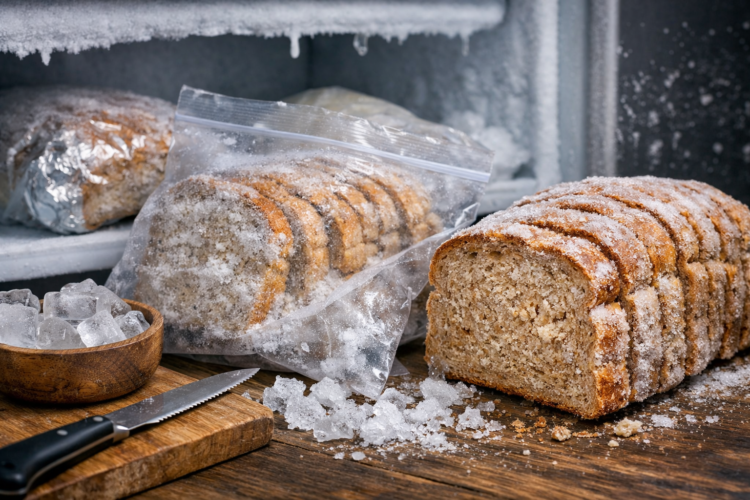
Bread is one of the most commonly frozen foods in households worldwide. Freezing helps extend shelf life, reduce food waste, and keep baked goods fresh longer. However, many people unknowingly make a small but critical mistake when freezing bread that ruins its texture, flavor, and overall quality.
Understanding the science behind freezing bread, starch structure, and moisture retention can help you preserve bread properly. In this article, we will explain the mistake, the science behind it, proper freezing techniques, and future trends in bread storage.
Why People Freeze Bread

Freezing bread is a widely recommended storage method. When done correctly, freezing slows down the chemical processes responsible for staling. Bread becomes stale primarily due to starch retrogradation, a process where starch molecules realign and push water out of the bread structure, causing it to become hard and dry.
Freezing can effectively pause this process and preserve bread quality for months. According to food safety guidelines, foods stored at 0°F (-18°C) or lower maintain their flavor, texture, and nutritional value for extended periods. However, incorrect freezing methods can damage the bread’s internal structure.
The Small Mistake That Ruins Frozen Bread
The most common mistake people make is freezing bread without properly sealing it in airtight packaging or freezing it while still warm.

When bread is exposed to air in the freezer:
- Moisture escapes from the bread
- Ice crystals form inside the loaf
- Freezer burn develops
- Texture becomes dry, rubbery, or crumbly
Large ice crystals formed during freezing can damage the internal gluten and starch structure of bread, destroying its soft crumb and elasticity. Additionally, repeated freezing and thawing cycles increase ice crystal size and further damage the bread structure.
This is why bread sometimes tastes stale even after thawing.
The Science Behind Texture Loss In Frozen Bread

Bread contains three important components that affect its quality:
- Water
- Starch
- Gluten proteins
During freezing:
- Water turns into ice
- Ice crystals expand
- Gluten networks weaken
- Starch structures break apart
Studies show frozen storage can increase bread firmness and reduce loaf volume because starch and gluten structures become damaged over time. As storage time increases, crumb hardness also increases due to changes in starch molecules.
This explains why improperly frozen bread often feels dense and dry after thawing.
Key Facts About Freezing Bread
| Factor | Impact On Bread | Scientific Insight |
|---|---|---|
| Temperature | Best at -18°C or lower | Preserves flavor and texture |
| Air Exposure | Causes freezer burn | Leads to dry crumb |
| Ice Crystal Formation | Damages internal structure | Alters gluten and starch |
| Storage Time | Longer storage increases firmness | Starch retrogradation occurs |
| Freeze–Thaw Cycles | Major texture damage | Ice crystals grow larger |
These factors collectively determine whether frozen bread will taste fresh or stale.
How To Freeze Bread The Right Way
To prevent texture and flavor loss, follow these expert-recommended steps.
1. Let Bread Cool Completely
Never freeze warm bread. Trapped steam turns into condensation and ice inside packaging, leading to soggy bread and potential mold growth.
2. Slice Bread Before Freezing
Pre-slicing allows you to remove only the slices you need without thawing the entire loaf.
This reduces freeze–thaw cycles that damage texture.
3. Wrap Bread Airtight
Use a double-layer protection method:
- Plastic wrap
- Freezer bag or foil
Proper sealing prevents air exposure and freezer burn.
4. Freeze As Fresh As Possible
Freezing bread at peak freshness ensures better taste after thawing.
5. Freeze In Smaller Portions
Smaller portions freeze faster, reducing ice crystal damage and preserving crumb texture.
Surprising Health Benefits Of Frozen Bread
Freezing bread may also affect nutrition.
When bread is frozen and reheated, some starch converts into resistant starch, which behaves like dietary fiber.
This can:
- Improve gut health
- Support beneficial gut bacteria
- Slow glucose absorption
Research shows freezing and defrosting bread may reduce post-meal blood sugar spikes by up to 30%. Additionally, studies found that frozen and thawed bread produces lower blood glucose responses compared to fresh bread.
How Long Bread Can Stay Frozen
Bread generally maintains quality for up to three months when stored correctly in the freezer.
After that:
- Flavor slowly declines
- Texture becomes firmer
- Freezer burn may appear
However, frozen bread is still safe to eat beyond this period, though quality may decrease.
Future Trends In Bread Storage
With advances in food preservation technology, future freezing methods may improve bread quality even further.
Emerging innovations include:
- Rapid blast freezing to minimize ice crystal formation
- Improved moisture-control packaging
- Smart freezer systems that maintain constant temperatures
- Modified atmosphere packaging (MAP) to preserve bread texture
These technologies aim to maintain bakery-quality bread even after long-term frozen storage.
Conclusion
Freezing bread is one of the most effective ways to preserve freshness, but improper freezing techniques can ruin its texture and flavor. The biggest mistake most people make is not sealing bread airtight or freezing it while still warm. When bread is exposed to air or undergoes repeated freeze–thaw cycles, ice crystals damage its internal structure, resulting in dry, crumbly bread.
By following proper methods such as cooling bread completely, using airtight packaging, and freezing in slices, you can keep bread fresh for months without sacrificing taste or texture. Understanding the science behind starch retrogradation, moisture migration, and ice crystal formation ensures you enjoy bakery-quality bread even after freezing.
FAQs
Is Freezing Bread Better Than Refrigerating It?
Yes. Refrigeration actually accelerates staling due to starch crystallization, while freezing slows the process.
Can You Toast Bread Directly From Frozen?
Yes. Frozen slices can go directly into the toaster, often requiring only 20–30 seconds longer.
Why Does Frozen Bread Taste Different After Thawing?
Ice crystal formation and moisture loss can alter gluten and starch structure, affecting texture and flavor.