


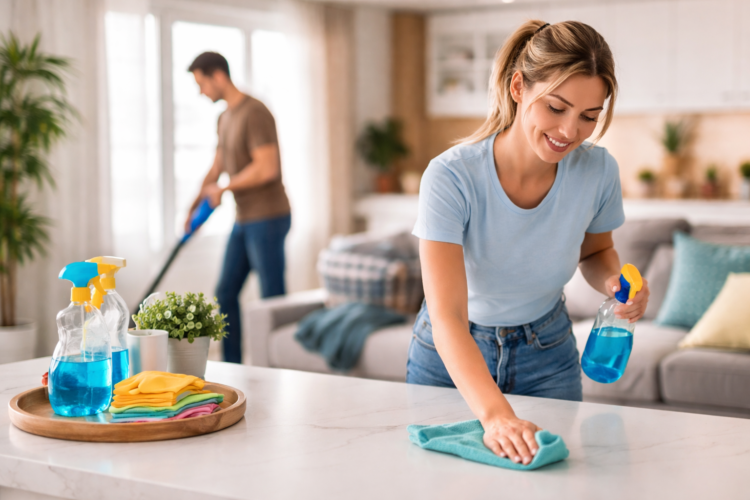
Keeping a home clean often feels overwhelming for busy adults balancing work, family responsibilities, and personal time. However, modern productivity research and behavioral psychology increasingly show that cleaning in short bursts can be more effective than spending hours on large cleaning sessions. This method—often called micro-cleaning, micro-tidying, or short-burst cleaning—breaks chores into manageable tasks completed in 5–20 minute intervals.
Experts and lifestyle researchers suggest that this approach improves productivity, reduces stress, and helps maintain a consistently organized home. Instead of exhausting weekend cleaning marathons, many adults now rely on short cleaning sessions to maintain order efficiently.
The Concept Of Short-Burst Cleaning


Short-burst cleaning involves performing quick cleaning tasks in limited time blocks, usually between 5 and 20 minutes. For example, a common routine is the 15-minute cleaning rule, where individuals set a timer and clean as much as possible within that period.
These sessions can focus on:
- Clearing clutter from a table
- Vacuuming a single room
- Wiping kitchen counters
- Organizing a small shelf
Many lifestyle experts recommend micro-tidying sessions lasting 5–15 minutes, which can be repeated daily or several times per week to maintain cleanliness without exhaustion. This technique aligns with modern time-management strategies used in work productivity, such as the Pomodoro technique, where tasks are completed in focused intervals followed by short breaks.
Why The Human Brain Prefers Short Cleaning Sessions

One major reason short cleaning bursts work well is related to human attention and cognitive energy. Research indicates that the brain can maintain optimal focus for around 20–45 minutes before mental fatigue begins.
Long cleaning sessions can lead to:
- Mental fatigue
- Reduced motivation
- Decreased productivity
Short intervals allow the brain to remain energized and focused. Studies also suggest that working in short bursts can increase productivity by up to 25 percent, especially when tasks are broken into manageable segments.

Additionally, digital behavior studies show average attention spans on screens lasting roughly 2.5 minutes before shifting focus, highlighting how easily people become distracted in modern environments. By limiting cleaning to short bursts, individuals work with their natural attention patterns instead of fighting against them.
Psychological Benefits Of Micro-Cleaning
Cleaning is not only a physical task—it also has psychological benefits. Research suggests that cleaning activities can help reduce stress and improve emotional well-being. Surveys show that 87 percent of people report feeling better mentally and physically when their homes are clean.
Short cleaning sessions offer several mental health advantages:
- Reduced anxiety from clutter
- Increased sense of control
- Improved relaxation at home
- Better daily organization
Regular small cleaning routines can also reduce background stress and improve overall comfort, making homes feel calmer and more welcoming. Because these tasks take only minutes, they are easier to start and less likely to trigger procrastination.
Preventing Overwhelm And Procrastination
Large cleaning sessions often fail because they appear overwhelming. When people see an entire house that needs cleaning, they may postpone the task.
Short cleaning bursts eliminate this problem by breaking tasks into small pieces. For example:
- 10 minutes to clear a desk
- 5 minutes to wipe bathroom surfaces
- 15 minutes to vacuum a living room
This strategy prevents clutter from accumulating into major cleaning projects. Small daily actions stop messes before they become unmanageable piles. Over time, this creates a maintenance cleaning system, which requires less effort overall.
Health And Physical Benefits Of Regular Housework
Short cleaning sessions also offer physical health advantages. Research examining household activities found that routine housework such as cleaning, cooking, and shopping is associated with better health outcomes, especially among older adults.
Household chores involve moderate physical movement, including:
- Bending
- Lifting
- Walking
- Scrubbing
These activities function as light physical exercise, supporting mobility and cardiovascular health. Unlike exhausting multi-hour cleaning sessions, short bursts provide manageable activity without excessive fatigue.
Table: Key Facts About Short-Burst Cleaning
| Factor | Short Cleaning Bursts | Long Cleaning Sessions |
|---|---|---|
| Typical Duration | 5–20 minutes | 2–4 hours |
| Focus Level | Higher concentration | Fatigue after long periods |
| Productivity Impact | Can improve productivity by up to 25% | Productivity declines over time |
| Mental Health | Reduces stress and anxiety | Can feel overwhelming |
| Physical Energy | Moderate movement without exhaustion | High fatigue risk |
| Habit Formation | Easier to maintain daily | Hard to sustain weekly |
Practical Short-Burst Cleaning Strategies
To successfully implement short-burst cleaning routines, experts recommend a few simple methods.
1. The 15-Minute Timer Method
Set a timer for 15 minutes and focus only on cleaning during that period. When time ends, stop and move on.
2. Room-Per-Day Strategy
Assign a specific room to each day of the week. For example:
- Monday: kitchen counters
- Tuesday: bathroom surfaces
- Wednesday: bedroom organization
3. Activity-Based Cleaning
Focus on one type of cleaning task per session, such as:
- Dusting
- Vacuuming
- Decluttering
4. Use Waiting Time
Short cleaning bursts can be completed during small windows of free time, such as while waiting for food to cook.
Future Trends In Cleaning Habits
Modern lifestyles are changing how people manage household tasks. With remote work, digital distractions, and busy schedules, many adults prefer efficient cleaning routines instead of traditional deep-cleaning days.
Emerging trends include:
- Micro-decluttering systems
- App-based cleaning reminders
- Timer-based productivity tools
- Minimalist living practices
These strategies emphasize maintaining clean environments through small, consistent actions rather than occasional large efforts. As smart home technology advances, cleaning habits may also integrate with automated reminders and scheduling tools.
Conclusion
For many adults, cleaning in short bursts is a more effective and sustainable approach than long cleaning sessions. The method works because it aligns with natural attention spans, reduces stress, and prevents clutter from accumulating. Research shows that micro-break strategies improve productivity, while short cleaning routines promote mental well-being and physical activity.
By adopting short-burst cleaning routines, individuals can maintain cleaner homes, reduce overwhelm, and create healthier living environments without sacrificing valuable time. As modern lifestyles continue to evolve, this efficient cleaning strategy is likely to become even more popular in the future.
FAQs
How Long Should A Short Cleaning Session Be?
Most experts recommend sessions lasting 5 to 20 minutes, with 15 minutes being the most popular timeframe.
Can Short Cleaning Bursts Replace Deep Cleaning?
Short sessions maintain everyday cleanliness, but occasional deep cleaning may still be needed for tasks like carpets or appliances.
Why Do Short Cleaning Sessions Improve Productivity?
They align with natural attention spans and reduce fatigue, allowing people to stay focused and motivated.