
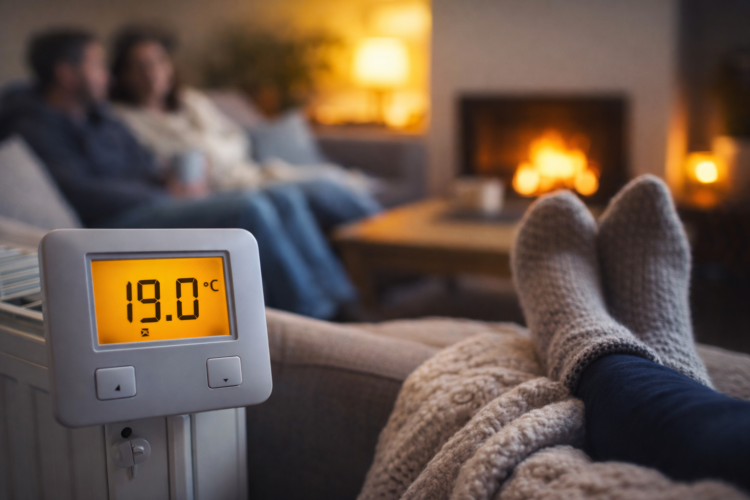
For years the idea that you must heat your home to 19°C became a default guideline for comfort and energy efficiency. However, industry experts, thermal comfort standards, and modern energy strategies now show this “magic number” is outdated. Instead of a one-size-fits-all temperature, current research and recommendations emphasize flexibility, individual comfort, building characteristics, and energy efficiency.
This article examines why 19°C isn’t a universal rule anymore, what experts actually recommend, and how to find the most effective heating strategy for your home in 2026 and beyond.
Why the 19°C Rule Lost Its Magic

The idea that indoor spaces must be warmed to 19°C originated as a guideline to encourage energy savings, not as a strict rule. It became popular because it sat about mid-range within broader comfort zones of 18–21°C. Over time, however, experts recognized that:
- 19°C was never a legal or universal standard, just a guideline.
- Comfort depends on individual factors like metabolism, clothing, activity level, and humidity.
- Heating technology (smart thermostats, heat pumps) has advanced, making static temperature goals less relevant.
These insights highlight why rigidly sticking to 19°C can sometimes reduce comfort without delivering optimal efficiency.
The New Comfort-Efficiency Temperature Paradigm
Rather than forcing everyone into a single number, experts now propose a temperature range that balances comfort with energy use:
| Temperature Range | Region or Room | Purpose |
|---|---|---|
| 16–18°C | Bedrooms, low-use spaces | Energy-efficient comfort, better sleep |
| 18–20°C | Multi-purpose living areas | Balanced comfort and efficiency |
| 20–22°C | Main living zones | Comfort focused |
| 21–24°C | Bathrooms | Warm to prevent post-shower chills |
| Flexible range 16–21°C | General home guideline | Adjust based on insulation, activity, and needs |

Experts now recommend a comfort-efficiency range of roughly 16°C to 21°C, with the “sweet spot” often sitting between 18°C and 20°C. This means you may choose different temperatures for different rooms or times of day rather than sticking to 19°C everywhere.
Factors That Influence Your Ideal Heating Temperature
1. Personal Comfort Preferences
People vary in how they perceive warmth. An elderly person or someone sedentary might prefer warmer indoor temperatures, while others may feel comfortable at cooler levels.
2. Home Insulation and Airtightness
Well-insulated homes retain heat better, meaning you can maintain comfort at a lower thermostat setting, reducing energy use. Conversely, poorly insulated homes often feel colder even at the same temperature.
3. Heating Technology

Modern systems like programmable and smart thermostats let you tailor heating schedules so that heat is delivered only when and where needed. This reduces unnecessary heating and maximizes efficiency.
4. Health and Activity Level
Activity generates body heat. A person who is active indoors or wearing layered warm clothing will feel comfortable at different temperatures compared to someone sitting still in light clothing.
Practical Heating Recommendations for 2026 and Beyond
Use Programmable Thermostats
Setting a thermostat around 20°C while awake and between 16–18°C when asleep or away can help save significant energy while maintaining comfort.
Zone Heating
Instead of heating your entire home to one level, zone control heats specific rooms based on use — for example:
- Living spaces: 20–21°C
- Bedrooms: 16–18°C
- Bathrooms or family rooms: 21–24°C
This approach cuts waste and enhances comfort.
Embrace Smart Controls
Smart tech responds to actual conditions — adjusting temperature based on time of day, occupancy, or outdoor weather changes. These systems often deliver much better comfort and efficiency than static settings.
Health, Comfort, and Efficiency: The Balance
Maintaining indoor temperatures that support both thermal comfort and energy savings is now considered best practice. Static temperature rules fail to account for:
- Seasonal changes
- Different rooms serving different purposes
- Modern insulation and heating technology
- Personal comfort levels
Thermal comfort standards like ASHRAE 55 recognize multiple environmental factors — including air speed and humidity in addition to temperature — as key to perceived comfort. This means that thermal comfort is a dynamic condition influenced by many variables, not a fixed thermostat number.
Comparative Table: Old Rule vs. Modern Approach
| Feature | 19°C Rule (Outdated) | Modern Comfort Range |
|---|---|---|
| Nature | Static guideline | Flexible, adaptive |
| Comfort | Single target | Multiple zones |
| Technology | Basic thermostats | Smart, programmable systems |
| Efficiency | Moderate | Optimized with occupancy and weather data |
| Personalization | Low | High |
Conclusion
The old concept that heating must be set at 19°C is no longer the definitive rule. Modern comfort and efficiency guidance embraces ranges, zone control, and smart technology to deliver a better balance of warmth, health, and reduced energy costs. Instead of obsessing over one number, focus on understanding your home’s unique needs and use adaptive strategies that enhance both comfort and savings.
This future-facing approach — one that is personalized and technologically savvy — is where heating recommendations are headed in 2026 and beyond.
FAQs
Is it bad to set my thermostat higher than 19°C?
No — higher settings can increase comfort, especially in living spaces, and many experts recommend settings around 20–22°C for everyday use.
Why do different rooms need different temperatures?
Different activities demand different thermal environments — for example, cooler bedrooms promote better sleep, while bathrooms benefit from warmer temperatures.
How much can I save by lowering my thermostat?
Lowering your thermostat by even 1°C can reduce energy usage and costs significantly, depending on your home and system efficiency.