
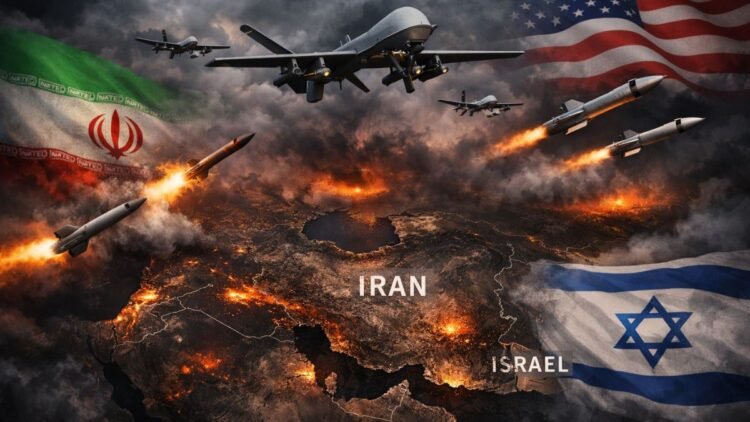
Amid rising tensions and ongoing conflict in the Middle East, Masoud Pezeshkian has outlined three key conditions that Iran believes are necessary to end its war with the United States and Israel.
In a message shared on the social media platform X, the Iranian president emphasized that any peaceful resolution must respect Iran’s rights and ensure the country’s security in the future. His statement comes as the conflict continues to escalate, causing widespread destruction and raising fears of further regional instability.
Iran’s Three Conditions for Ending the Conflict

According to President Pezeshkian, Iran is open to ending the conflict, but only if certain conditions are met. These conditions focus on security guarantees, recognition of Iran’s rights, and financial compensation for the damage caused during the war.
1. Recognition of Iran’s Legitimate Rights
The first condition demands international recognition of what Iran calls its legitimate national rights. Although the statement did not specify every detail, this generally refers to Iran’s sovereignty, security interests, and its right to pursue policies without external interference.
Iran has repeatedly argued that the conflict was triggered by actions from Israel and the United States, and that acknowledging its rights is essential for establishing a fair and lasting peace agreement.
2. Compensation for War Damage

The second condition involves financial reparations. Iran wants compensation for the destruction caused during the conflict, including damage to infrastructure, homes, and public facilities.
Airstrikes and missile attacks have affected several Iranian cities, leaving behind extensive destruction. Tehran argues that the parties responsible for initiating the war should bear the financial burden of rebuilding the affected areas.
3. Guarantees Against Future Attacks
The third condition calls for firm international guarantees that Iran will not face similar attacks in the future. Iranian leaders insist that without strong assurances from global powers and international organizations, any ceasefire would only provide temporary relief rather than a long-term solution.

President Pezeshkian said these guarantees are essential to prevent further escalation and to maintain stability in the region.
Iran Issues Warning Over Gulf Ports
While presenting conditions for peace, Iran has also issued strong warnings regarding potential attacks on its strategic infrastructure.
Abolfazl Shekarchi, a spokesperson for Iran’s armed forces, stated during an interview with the state-run broadcaster Islamic Republic of Iran Broadcasting that Iran would respond forcefully if its port facilities were targeted.
According to Shekarchi, if Iranian ports or docks in the Persian Gulf were attacked, Iran would consider all ports and economic hubs in the region legitimate targets. He warned that the Iranian military would launch operations “heavier than those carried out so far” in response to such threats.
He also called on neighboring countries to reconsider hosting American military forces, urging them to expel U.S. troops from their territories.
Israel’s Internal Assessment of the War
Reports from Reuters suggest that Israeli officials have privately acknowledged uncertainties regarding the outcome of the conflict.
According to the report, some Israeli leaders believe there is no guarantee that the war will lead to the collapse of Iran’s political leadership. Despite heavy bombardments and targeted strikes against Iranian military leaders, the expected internal uprising in Iran has not materialized.
Even though Donald Trump has suggested that the conflict might end soon, Israeli officials reportedly believe that Washington has not yet made any clear decision to bring the war to a close.
Civilian Impact and Economic Challenges
The war has taken a severe toll on Iran’s population. Airstrikes and missile attacks have damaged homes, public buildings, and infrastructure in several cities, including Tehran.
Reports indicate that many civilians have been killed or injured during the conflict. At the same time, Iran’s already struggling economy has faced additional pressure due to escalating international sanctions and the destruction caused by the war.
Public protests in Iran earlier this year were met with strong government crackdowns, leaving thousands dead or injured. With the country currently under intense military pressure, many citizens are hesitant to protest or express dissent while the conflict continues.
Conclusion
Iran’s three proposed conditions for ending the war highlight the country’s attempt to combine diplomatic negotiations with strong military warnings. While Tehran insists that peace is possible, it has made it clear that any resolution must protect Iran’s rights, provide compensation for wartime damage, and guarantee future security.
At the same time, ongoing military operations, regional tensions, and uncertain political outcomes suggest that achieving a peaceful resolution may remain challenging. The situation continues to evolve, with global leaders closely watching developments in one of the most volatile conflicts in the region.
FAQs
What are Iran’s three conditions to end the war?
Iran demands recognition of its legitimate rights, financial reparations for war damages, and international guarantees against future attacks.
Why did Iran warn about attacks on Gulf ports?
Iran warned that if its ports are attacked, it could target ports and economic centers across the Persian Gulf in retaliation.
Has the war caused internal unrest in Iran?
Although there have been protests in the past, large-scale uprisings have not occurred during the current conflict due to security concerns and government crackdowns.